
Warmer floors in winter
Insulation under the floorboards stops cold air rising, so timber floors feel noticeably warmer underfoot. This is especially important in Burnley homes with high ceilings or large windows that already lose heat quickly.
Burnley
Underfloor insulation in Burnley stops cold floors and draughts coming up through suspended timber floors. We install bulk batts between joists in the subfloor to improve thermal resistance and comfort in your home.
Share your details and Expert Insulation Melbourne will contact you about Underfloor Insulation in Burnley.
Underfloor insulation is installed beneath suspended timber floors to block cold air rising through gaps in the floorboards. In Burnley’s older weatherboard and brick veneer homes, this is a common source of winter heat loss and cold feet. We fit glasswool, polyester or rockwool batts between the floor joists from the subfloor, provided there is enough crawl space to work safely.
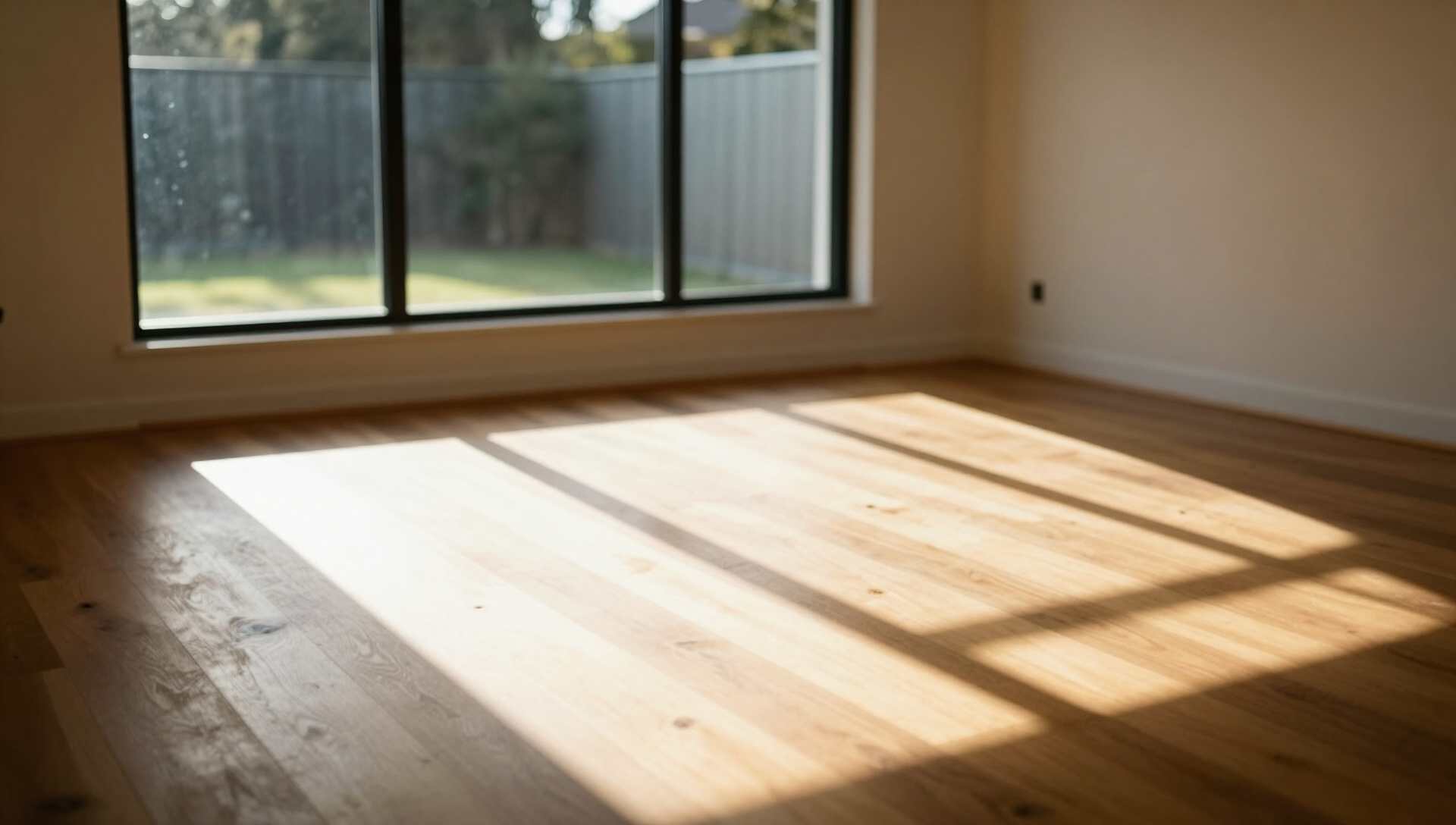
Burnley’s mix of older weatherboard and brick veneer homes often have suspended timber floors with little or no insulation. Without a thermal barrier under the floor, cold air rises through gaps in the floorboards, making rooms feel chilly and forcing heaters to work harder. Underfloor batts create a continuous layer of trapped air that slows heat transfer, keeping floors warmer and reducing energy use.
Insulation under the floorboards stops cold air rising, so timber floors feel noticeably warmer underfoot. This is especially important in Burnley homes with high ceilings or large windows that already lose heat quickly.
Gaps between floorboards and around skirting let cold air in. Underfloor batts block these draughts, making rooms more comfortable and stopping dust from the subfloor entering living spaces.
With less cold air entering from below, your heating system doesn’t have to work as hard to maintain a comfortable temperature. This can lead to noticeable savings on energy bills over winter.
While the main benefit is winter warmth, underfloor insulation also helps moderate temperatures in summer by reducing heat gain through the floor from the ground below.
Modern underfloor batts include moisture-resistant facings that help manage condensation in the subfloor, which is common in Melbourne’s damp winters.
We access the subfloor from outside or through existing hatches, so there’s no need to remove floorboards or disrupt your home during the install.
Installing underfloor insulation requires access to the subfloor, which we reach through existing hatches, external vents or by lifting a section of flooring if necessary. The process is straightforward but must be done carefully to avoid compressing batts or leaving gaps.
We check the subfloor for adequate crawl space, moisture issues and any existing insulation. If access is limited, we may need to create a small hatch or work from outside the home.
Batts are measured to fit snugly between joists without compression. We use the correct width for your joist spacing and the chosen R-value, typically R1.5 to R2.5 for underfloor applications.
Batts are friction-fit between the joists and held in place by the springiness of the material. We ensure full coverage with no gaps or compression, which would reduce performance.
We seal any gaps around pipes or cables and ensure the subfloor is left tidy. If we created an access hatch, we reinstate it to match the existing floor.
Burnley’s older homes, particularly weatherboard and brick veneer properties, often have suspended timber floors that lack insulation. This construction style is common in inner Melbourne suburbs and leaves floors exposed to cold air from the subfloor. Underfloor insulation is a practical upgrade that improves comfort without major renovations. Nearby areas like Richmond and Hawthorn share similar housing stock, making underfloor insulation a worthwhile investment across these suburbs.
Stop cold floors and draughts with underfloor insulation installed beneath suspended timber floors in Burnley.
Homeowners in Burnley often ask about the practicalities of underfloor insulation, from access and cost factors to suitability for their home.
Underfloor insulation in Burnley addresses a common issue in older homes: cold floors and draughts rising through suspended timber flooring. Without insulation beneath the floorboards, cold air from the subfloor enters living spaces, making rooms feel chilly and increasing heating costs. Installing bulk batts between the joists creates a thermal barrier that slows heat transfer, keeping floors warmer and improving comfort throughout the home.
Burnley’s housing stock includes many weatherboard and brick veneer homes built with suspended timber floors. These floors often have gaps between boards and around skirting that allow cold air to seep in. Underfloor insulation blocks these draughts and also helps manage moisture from the subfloor, which is particularly important in Melbourne’s damp winters. The installation process is non-intrusive, with access gained through existing hatches or external vents.
The cost of underfloor insulation in Burnley depends on factors such as the size of the area, the chosen R-value, and ease of access to the subfloor. Higher R-values provide better thermal resistance but may require thicker batts. Access can be more challenging in homes with low crawl spaces or limited entry points, which can affect the time required on site. A professional inspection will determine the best approach for your property.
If your Burnley home has cold floors or draughts coming up through the floorboards, underfloor insulation can make a noticeable difference. We provide obligation-free quotes and can assess your subfloor access and suitability.